There’s a lot to be said for the Germanic grape varieties grown in England. They’re typically disease resistant, handle cooler temperatures well, and the produce higher yields than more classic varieties, such as Chardonnay. They don’t, however, have very compelling names. Monikers such as Siegerrebe, Reichensteiner and Huxelrebe don’t exactly trip off the English-speaking tongue (delicious though they are) and spelling them is more challenging still. However, there’s one variety that has all the yield and resistance of these varieties, and a fantastic name to boot. That grape is Bacchus.
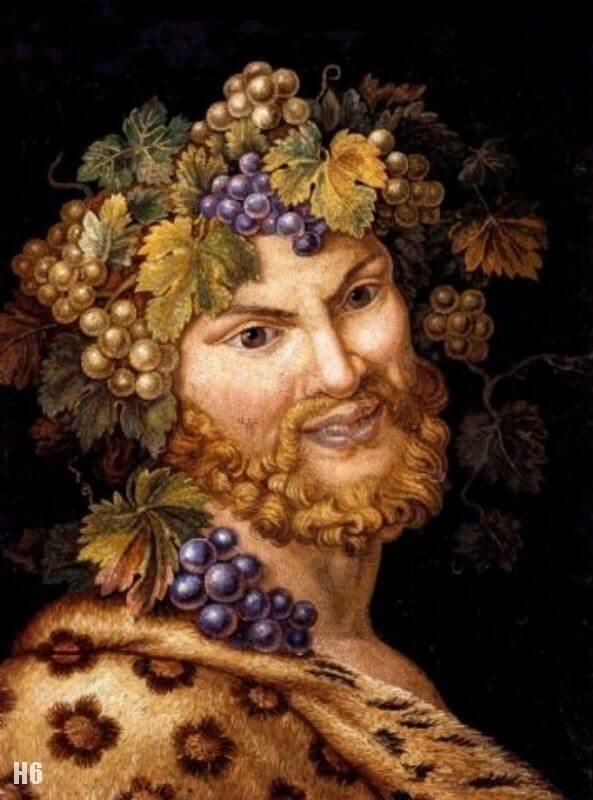
Bacchus is a white wine grape variety, named after the Greek god of grape-harvest, winemaking and wine who, it’s fair to say, had a complicated life story. In the mythology of the deity, Bacchus was born at least twice. First time round it was Zeus and Persephone; then after Bacchus was destroyed by the Titans, Zeus took a fragment of Bacchus and implanted it in the womb of a mortal, Semele, whom he then killed for daring to request that he actually sleep with him – at which point he transplanted Bacchus into another mortal, Nysus.
The lineage of the Bacchus grape is, in its own way, similarly complicated. Bacchus is a cross of Muller-Thurgau with a Silvaner/Riesling cross. Silvaner itself is a cross of Traminer and Oesterreichish Weiss, while Muller-Thurgau is a Riesling/Madeleine Royal cross. So, several aromatic grapes with a good dose of the “noble” grape Riesling, and some Traminer, a parent of Gewürztraminer.
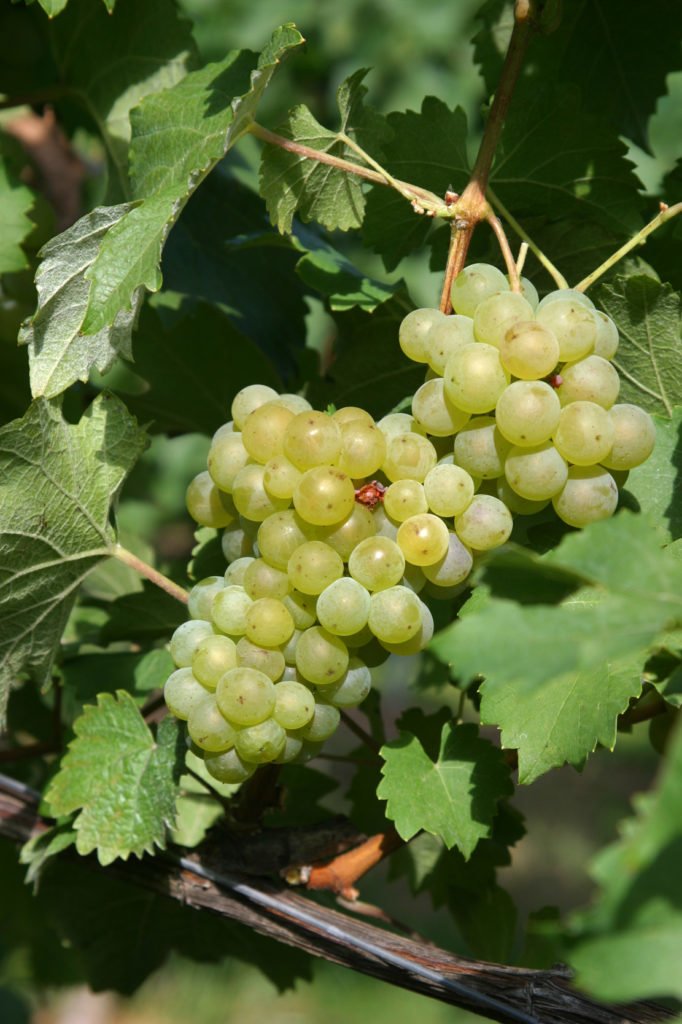
What are the circumstances behind this tangled web of grape varieties? The story of modern vine breeding is a tale of early successes followed by a failure to focus enough on wine quality, before a renaissance and resurgence led by advancing scientific techniques. The first stage came during the crises of the late 19th century, which saw phylloxera (a louse which damages a vine’s roots, leading to its inevitable death), downy mildew and powdery mildew ravage European viticulture. These challenges were the stimulus for the establishment of vine breeding programmes in France and then Germany. Relatively rapid progress was made on rootstocks, which was partly responsible for the devastating threat of phylloxera being repelled (although not eliminated).
Breeding efforts for fungal disease resistance were not as successful, although resistant varieties were obtained. Even after decades of breeding, the fact remained that the resulting wine was just not good enough. The three factors that were being selected for – resistance, quality and yield – could not be combined in a small number of breeding steps, due to the polygenic nature of the characteristics: that is, multiple genes impact the expression of these dimensions, complicating efforts to manipulate the outcome. Therefore, several back-crosses were necessary in order to achieve sufficient resistance levels and high wine quality. The lengthy generation and evaluation cycles meant that many breeders, especially the private breeders in France, gave up.
The varieties that were introduced during the first part of the 20th century (in other words, ones that hadn’t spent enough time in the evaluation part of the cycle), produced low quality wines. These so-called “hybrids” quickly suffered from a bad image and in public the term hybrid was synonymous with poor quality. Consequently, the production of quality wine (as legally defined) from these hybrids was forbidden by most wine producing countries. This led to the termination of grape vine breeding in most countries by mid-20th century.
However, in Germany, fungal resistance breeding was (and still is) supported by the government. It was in the main German vine breeding institute, the Geilweilerhof Institute for Grape Breeding (now consolidated into the Julius Kühn-Institut, the German Federal Research Centre for Cultivated Plants) that Bacchus was born, in 1933. Its physical parentage was a Silvaner-Riesling vine crossed with Müller-Thurgau, but it was the brainchild of Peter Morio and Bernhard Husfeld. Peter Morio was responsible for several crossings including Domina, Forta, Noblessa, and Optima (such positive names!) but it seems likely that it will be Bacchus that is his enduring legacy.
It took almost 40 years for Bacchus to receive varietal protection and be released for general cultivation. In Germany itself, Bacchus has not been a runaway success. The latest figures we could obtain suggest the area under vine has reduced from around 3.6% of vineyard area in the 1985 to just 1.7% by 2016, mainly in Rheinhessen and Franken. It has almost certainly reduced further- on a recent trip to Germany, Matt and Natalie were unable to find a single example for sale. Anecdotally, this decline was in part due to the lower acidity levels in Bacchus grapes, which was out of kilter with market preference. More broadly, the demand for hybrids in Germany has reduced from the turn of the millennium.
In England, with its even more marginal climate, acidity levels in Bacchus grapes typically come out slightly higher. The “fresher” phenolics, that give the wine its Sauvignon-Blanc-esque aromas and flavours, are also more prominent in English Bacchus wines. Of course, Sauvignon Blanc also has a wide range of aroma and flavour expressions; in our experience, English Bacchus wines often fall somewhere between the typical French and New Zealand styles of Sauvignon Blanc, although there are examples at either end of the spectrum.
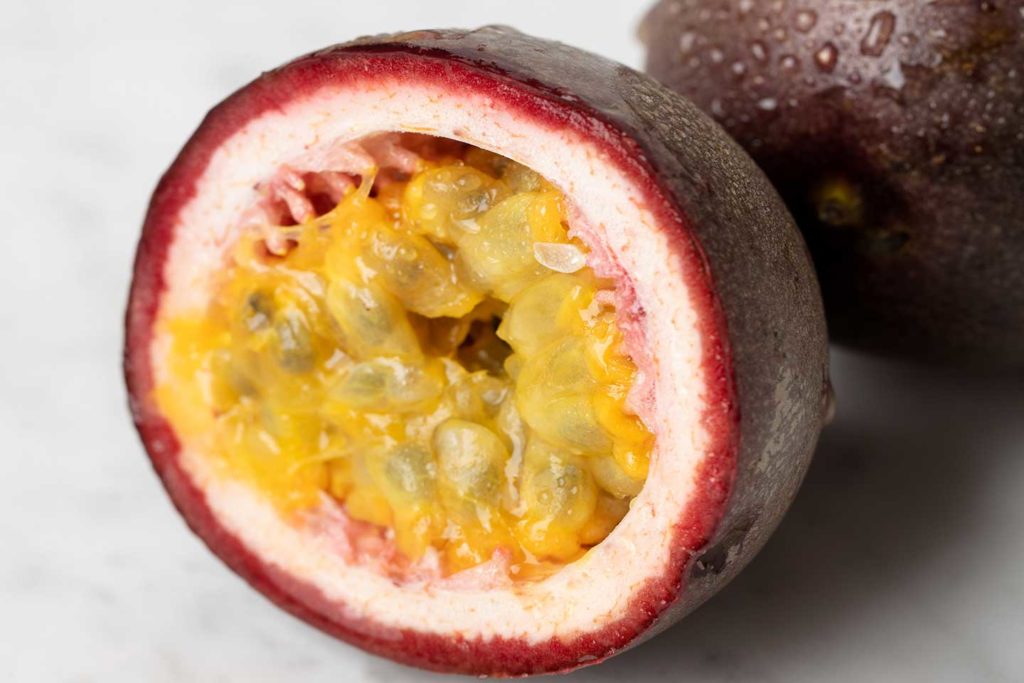
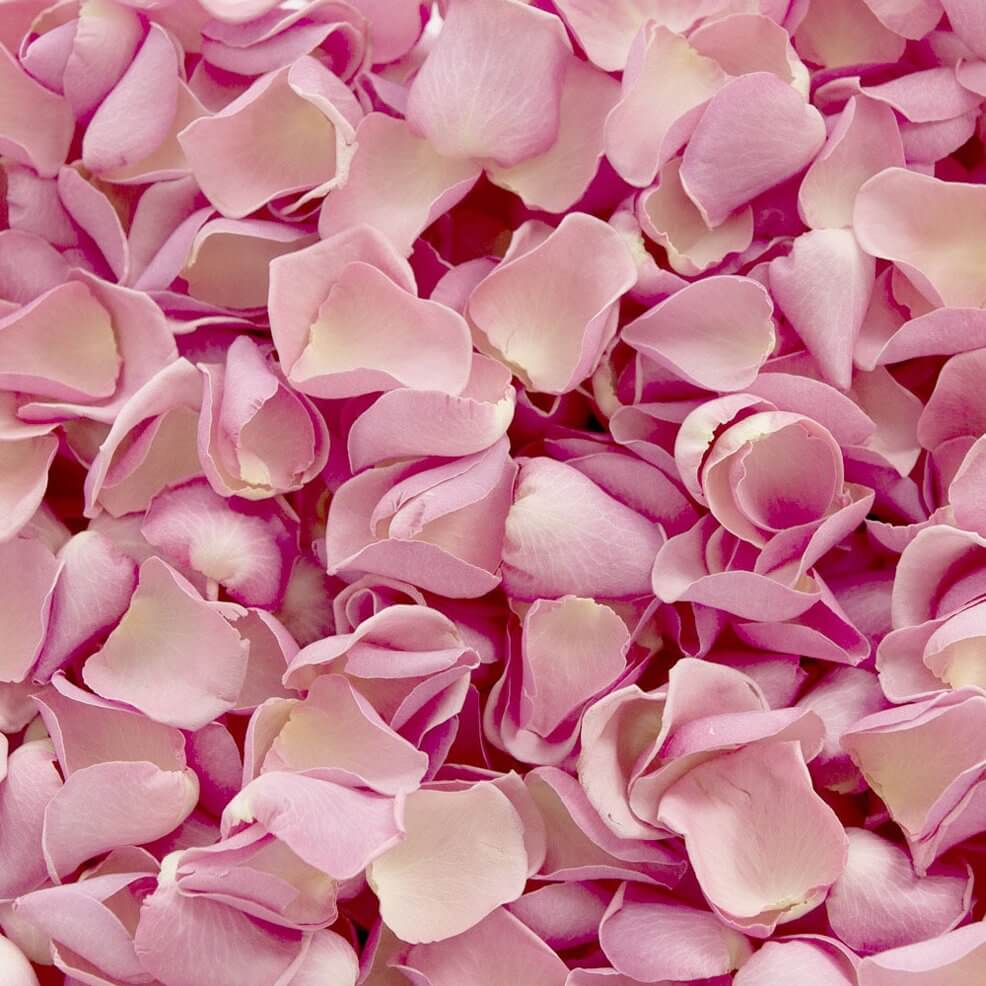
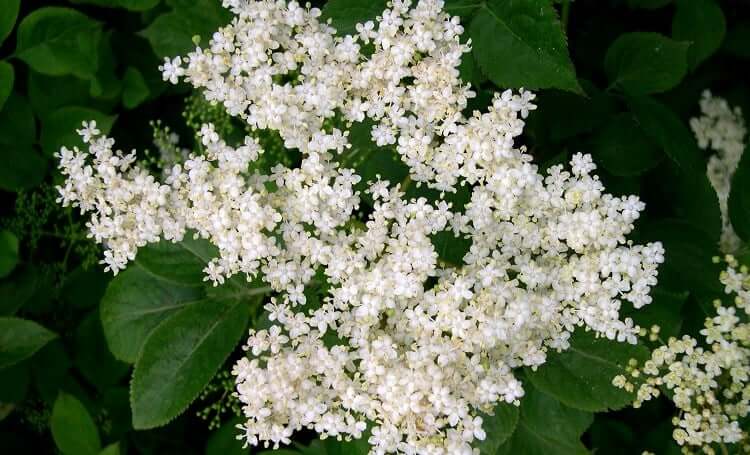
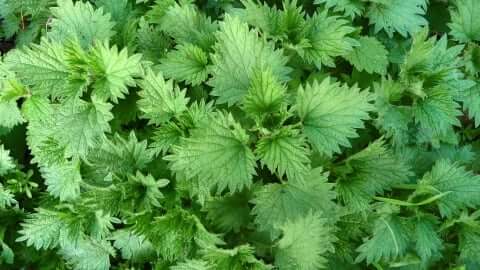
From a technical perspective, the biochemical reason for this broad range of expressions is the presence of certain compounds: terpenes, thiols and methoxypyrazines. Terpenes are found in abundance in Gewürztraminer (which Bacchus sharing parentage with) and thiols are present in large quantities in Sauvignon Blanc. The thiols are responsible for aromas such as passionfruit, grapefruit and blackcurrant. The terpenes give spicy and floral notes (e.g. rose, geranium, ginger). The fresher aromas of nettle and elderflower come through due to methoxypyrazines.
With Sauvignon Blanc so popular amongst English wine consumers, Bacchus’ similarities made it an easier sell than some other German-origin varieties. However, its progress was turbocharged when Winbirri Vineyard’s Bacchus 2015 won the Best White Single-Varietal Wine in the World in the Decanter 2017 World Wine Awards. Today, Bacchus is the 4th most planted grape in England and Wales, behind the three main “Champagne” grapes, with around 324ha of planting as of 2023.
Bacchus is not problem-free. In recent vintages, most notably 2022, Bacchus has had to contend with a new challenge- high temperatures. 2022 broke temperature records across England and, for growers, there was a risk of their Bacchus becoming too ripe. At tastings in 2023, we tasted several examples we felt were overripe and lacking in complexity and freshness. Moreover, Bacchus faces ever increasing competition from other English still white wines, such as Chardonnay, Pinot Gris and, another hybrid, Solaris.
But Bacchus has not stood still either. Increasingly, winemakers are experimenting with a range of styles. Perhaps most notable is the rise of oaked ‘fumé’ Bacchus, driven by examples such as Flint Vineyard’s Bacchus Fumé, as well as Chapel Down’s luxuriously oaked Kit’s Coty Bacchus. Other styles include sweet, and even orange Bacchus.
At Grape Britannia we have tasted extensively across the range of available English Bacchus wines and only stock those that, in our view, are of a technically high quality, display good varietal typicity, but also have that certain something to them that makes you want to go back for that extra sip – freshness, complexity and balance.
Some excellent current examples are below. We’ve also curated a Bacchus Mixed 6 Case showcasing six vibrant examples for just £99.
Yotes Court On the Nod Bacchus 2021 (£16.99)
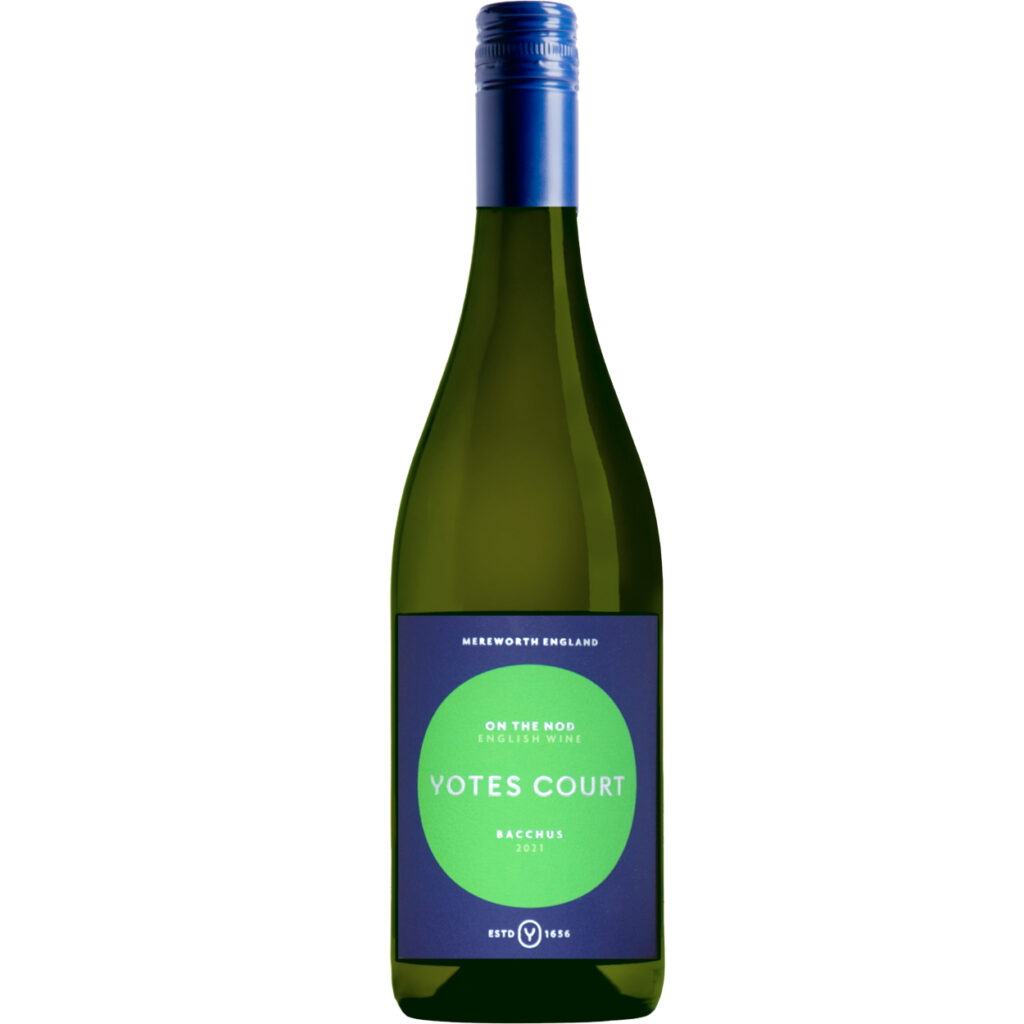
This wine is fresh and aromatic, it has aromas of gooseberry, cassis bud and green pineapple on the nose, followed by a zesty palate of pithy pink grapefruit. A classic English Bacchus. 2021 was Yotes Court’s second harvest, and they decided to machine-harvest the Bacchus grapes. This allowed them to harvest the grapes quickly at the perfect level of ripeness. This process treats the grapes harshly, splitting the skins, giving more time for juice-to-skin contact thereby maximising their fresh and complex flavours.
Fawley Vineyard Old Forge Bacchus 2020 (£14.99)
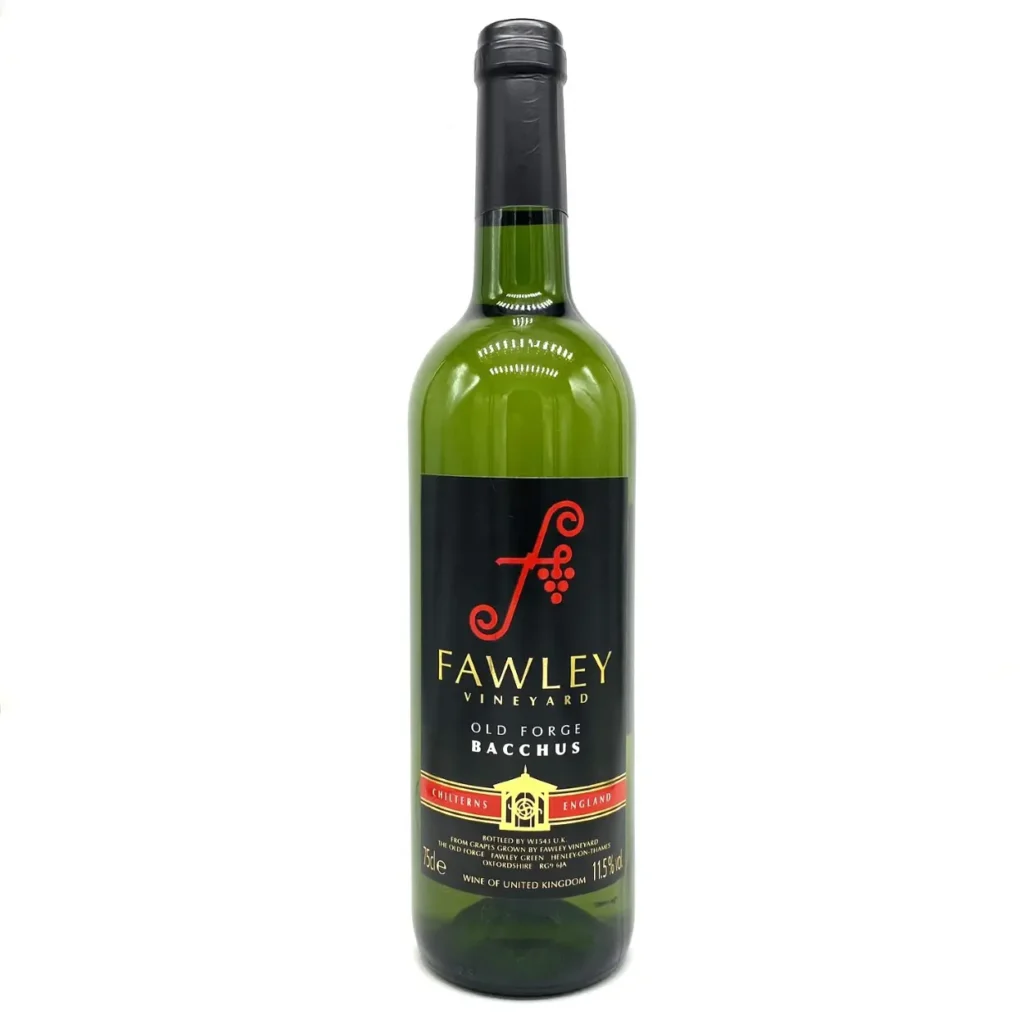
A classic Bacchus, with charming English hedgerow aromas, ripe gooseberries and lime flavours. Fawley Vineyard are set high in the Chilterns, in the village of Fawley, near Henley-on-Thames. Their one hectare site was planted with Bacchus in 1985, with a further planting in 1995, meaning their vines are wonderfully mature.
Flint Vineyard Bacchus Fumé 2024 (£19.99)
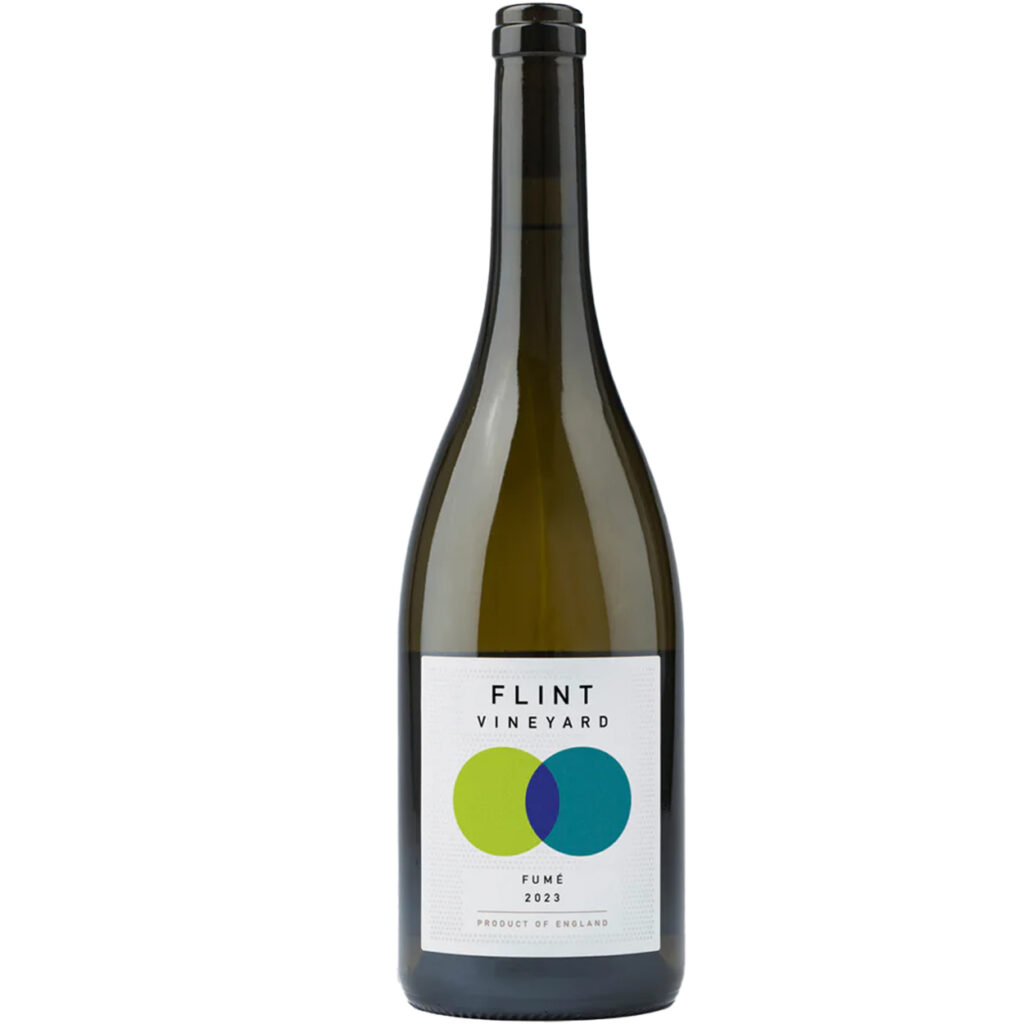
Flint’s Bacchus Fumé has consistently been one of the England’s most celebrated examples of Bacchus. Since 2023, Flint have only produced a fumé style, employing delicate oak ageing to produce a vibrant and complex wine. Ripe pear, English apple, violets, and Turkish delight on the nose. The palate is soft yet structured, with pink grapefruit, almonds, and biscuit pastry, balanced by fresh acidity and gentle oak influence.
Three Choirs Vineyards Cellar Door Bacchus 2022 (£20.99)
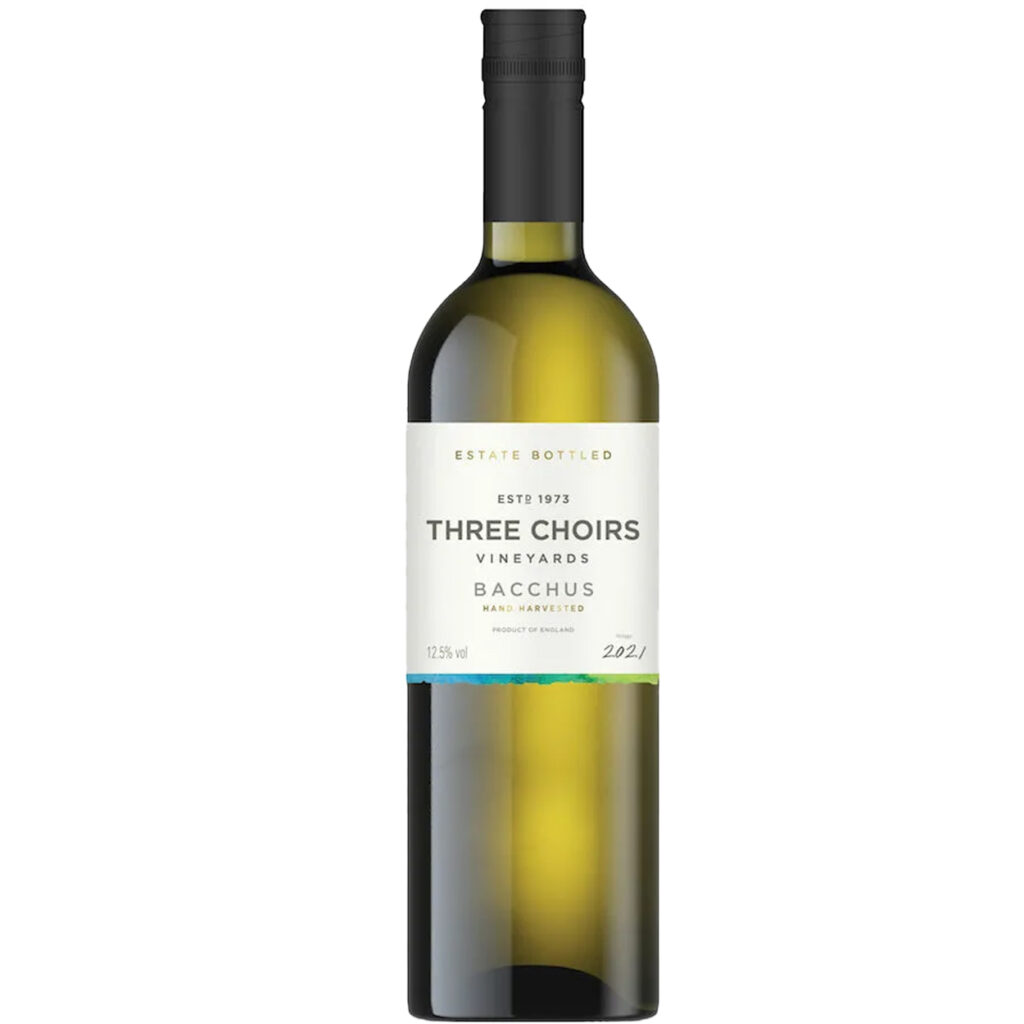
An elegant, dry and aromatic wine, with distinctive hints of elderflower and nettle on the nose, a crisp herbaceous palate with hints of pear, and a long zesty finish. Three Choirs Vineyard is south facing on sandy loam soil with a GDC trellis system with 800 vines per acre or 2000 per hectare. Most vines are 10-20 years old, all grapes are hand-picked. This moreish white wine equired minimum intervention in the winery.
Litmus Wines Orange Bacchus 2022 (£19.99)
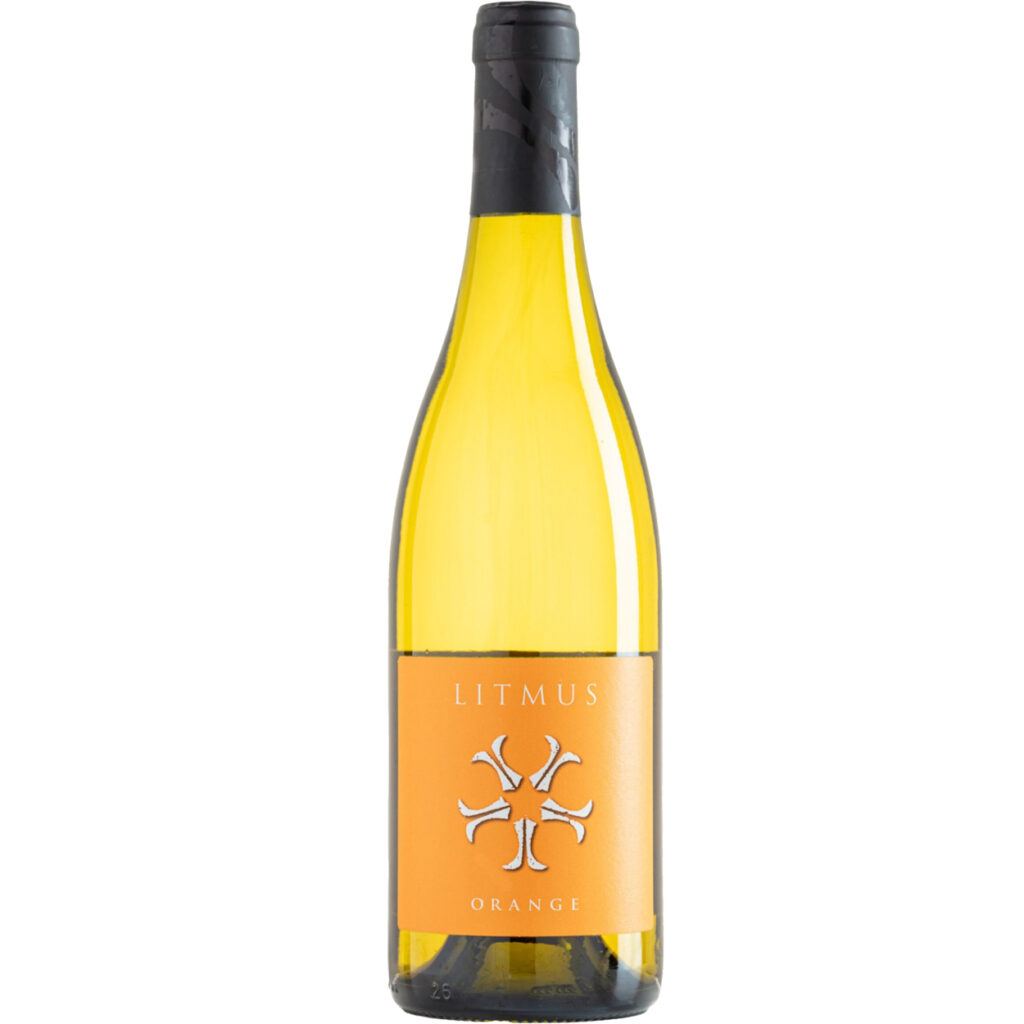
Pale gold in colour the wine displays hazelnut, fennel and marzipan characters on the nose. The palate has a touch of white pepper spice and is incredibly generous and complex, with a gripping astringency and smooth, long finish. Enjoy with oily meats and spicy dishes. Litmus Orange 2022 is produced from from 100% Bacchus. The Bacchus was fermented and remained for four weeks on skins without sulphur dioxide.
Knightor Winery Mena Hweg 2023 (£19.99)
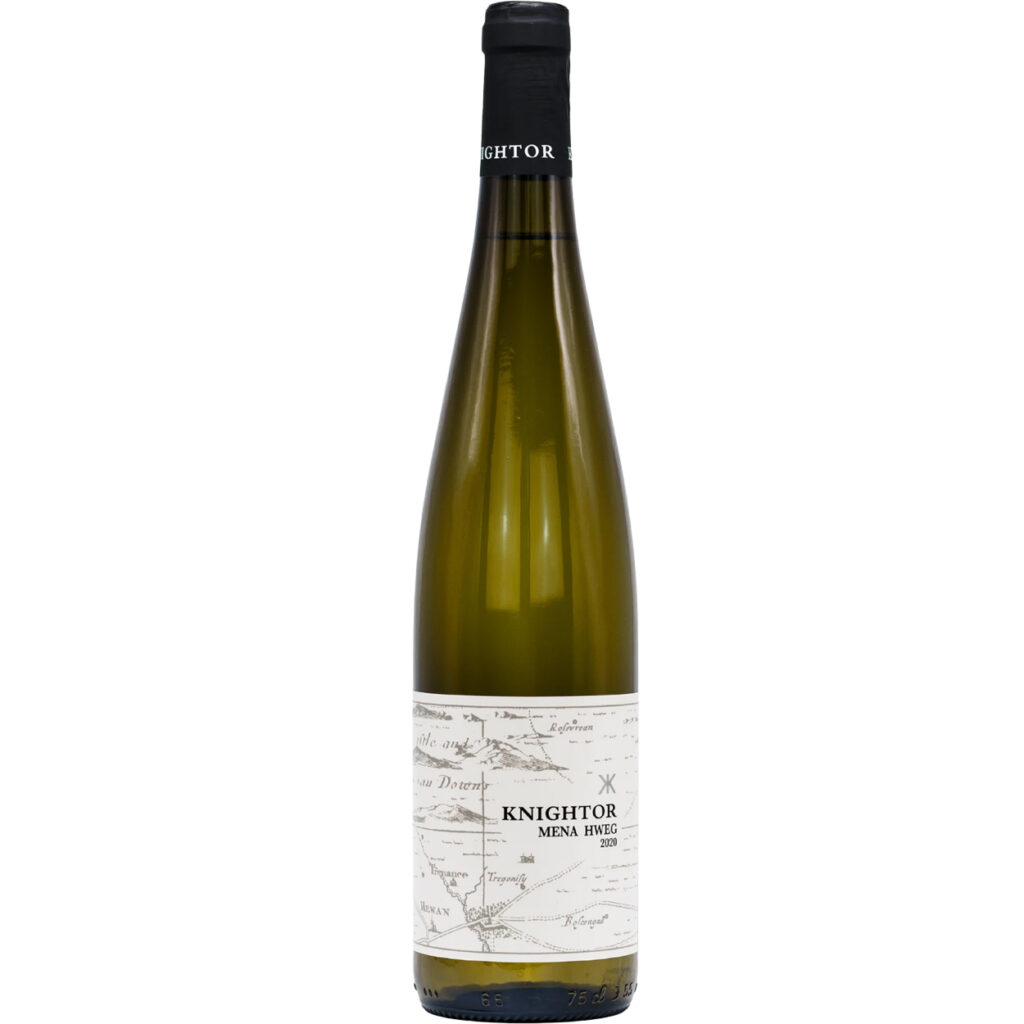
Mena Hweg can be translated as ‘pretty hill’ in Cornish. Knightor can only make this semi sweet wine in years when the grapes achieve the right balance between sweetness and acidity. It is fermented in stainless steel and the sweetness is achieved by chilling the wine to stop the ferment, resulting in residual sugar and lower alcohol. This semi sweet wine displays both floral aromas of jasmine, plus stone fruit. The palate is light and fruity, with flavours of peach and elderflower. A very food friendly wine inspired by the great wines of Germany.
Do feel free to construct your own mixed case (or just buy a bottle or two) of Bacchus from our full range. Whether it is your first exploration of English Bacchus wines, or you are taking the opportunity to stock up on one of your favourite varieties, you will find wines here for you.
Finally, it is worth pointing out that, rather than being a god of drunkenness, as he is often depicted, Bacchus’s activities focused on the correct consumption of wine, with its roles in easing suffering and bringing joy – a philosophy that we fully endorse.
If you would like to receive future articles by email, please sign up to our mailing list at the bottom of the page below.